

The food scene in the Gulf Cooperation Council is changing fast. People in the United Arab Emirates want more than just food that’s okay to eat. They want food that’s good for them and made in a way that’s kind to the planet.
This new trend is called halal-plus. It combines strict food rules with the clean-label movement. This means food that’s not only okay to eat but also good for your body.
Young people in cities are leading this change. They like food that’s made from plants and has high-quality ingredients. They care about how food is made, not just how it tastes.
By 2033, this trend is expected to grow a lot. More money and a focus on safety will help the market change. The goal is to give people superior and innovative food choices that are good for the planet.
Key Takeaways
- The GCC food market is shifting toward health-conscious and sustainable products.
- Younger, urban demographics are driving the demand for clean-label options.
- Plant-based alternatives are gaining significant traction in the United Arab Emirates.
- Regional food sectors expect substantial growth and expansion by 2033.
- Modern consumers prioritize food safety and high-quality ingredient sourcing.
- Ethical production is becoming a standard requirement for regional shoppers.
1. The Evolution of Halal: From Religious Requirement to Lifestyle Choice
The GCC’s halal food market is changing. Now, people care more about health, the planet, and knowing what they eat. This change is making halal more than just about following religious rules.
Traditional Halal Standards and Their Limitations
Halal used to mean food was okay under Islamic law. It mainly checked if meat was okay. But today, food comes from all over and is made in many ways.
Key limitations include:
- Lack of transparency in sourcing and production processes
- Inadequate consideration for sustainability and environmental impact
- Failure to address growing consumer concerns about health and wellness
The Emergence of Conscious Consumerism in the GCC
In the GCC, more people are thinking about what they buy. They want products that are good for them and the planet. They look for halal products that fit their values.
“The halal market is no longer just about religious compliance; it’s about a lifestyle that encompasses health, sustainability, and ethical consumption.”
Now, people want halal food in all kinds of products, not just meat. This change is making the market bigger and more varied.
| Year | GCC Halal Food Market Size | Growth Rate |
|---|---|---|
| 2020 | $100 billion | 5% |
| 2021 | $105 billion | 5.5% |
| 2022 | $112 billion | 6.2% |
Halal standards are now about more than just religion. They include caring for the planet and health. As the GCC’s halal market grows, so will what we mean by halal.
2. Understanding the Halal-Plus Movement: A Paradigm Shift
Halal-plus is more than a trend. It’s a big change in the food world. It meets new needs for healthier, greener, and fair food.
Defining Halal-Plus in the Modern Food Landscape
Halal-plus means food that follows old halal rules but also meets new standards. It’s about being plant-based, easy to understand, and good for the planet. More people want food that fits their values and tastes.
The Intersection of Faith, Health, and Sustainability
The halal-plus movement brings together faith, health, and caring for the planet. People want food that’s good for them and the earth. They see how food choices affect their health and the planet.
Why Traditional Halal Certification Is No Longer Enough
Old halal rules are important but not enough today. People want to know more about what they eat. They want food that’s better for them, the planet, and animals. Halal-plus offers this by adding plant-based meat and more.
In short, the halal-plus movement is a big change in food. It’s because people want food that’s not just halal but also healthy, green, and fair. This trend will change how we make and eat food a lot.
3. The GCC Halal Food Market: Explosive Growth and Transformation Through 2033
The GCC region is leading the global halal food market. This is thanks to higher incomes and more people eating out. The GCC is at the heart of this big change.
Market Projections and Economic Impact
The GCC halal food market is growing fast. More people want halal products. Experts say this trend will keep going until 2033.
Saudi Arabia’s Market Trajectory and Vision 2030 Alignment
Saudi Arabia is key to the GCC’s halal food market growth. Its Vision 2030 aims to make the economy more diverse. The kingdom is investing a lot in its food industry, including halal.
“The halal food industry is a key sector that aligns with our Vision 2030 goals, and we are committed to developing it further.” This promise is shown in the many initiatives and investments to grow the sector.
UAE as the Regional Innovation Hub
The UAE is becoming a hub for halal food innovation. Dubai and Abu Dhabi are leading the way. The UAE’s good location, business-friendly environment, and modern infrastructure attract halal food makers and investors.
Key Demographic and Economic Drivers Behind Market Expansion
The GCC halal food market is growing thanks to a few key factors. These include a young population, higher incomes, and more demand for halal products. People in the region are getting healthier and want products that are not just halal but also sustainable and clean.
The halal-plus trend is popular among GCC consumers. It combines halal certification with other good qualities. This trend will keep the halal food market growing as people become more picky and demanding.
- Increasing demand for halal-certified products
- Growing health consciousness among consumers
- Rising incomes and consumption rates
4. Halal Plant-Based Meat: The New Frontier in GCC Food Innovation
The halal plant-based meat market in the GCC is on the verge of a big change. This is because of how people’s eating habits are changing. They want food that is good for them and the planet.
More people in the region are choosing plant-based diets. Big brands from around the world are taking notice. They are bringing in products that fit what people in the GCC like to eat.
Global Brands Entering the GCC Market
Big names like Beyond Meat and Impossible Foods are making changes to their products. They want to meet the demand for halal food in the GCC.
Beyond Meat and Impossible Foods Regional Adaptations
- Beyond Meat has made special products for the GCC, like halal burgers and sausages.
- Impossible Foods has also come to the GCC. They have their famous Impossible Burger, which is halal.
Regional Players and Local Innovation Initiatives
Local companies are also getting into the game. They are making halal plant-based meat that fits the region’s food traditions.
They are making products that taste like traditional Middle Eastern dishes. This makes plant-based food more appealing to more people.
Consumer Acceptance Rates and Market Penetration Strategies
More people in the GCC are starting to like halal plant-based meat. This is because they care more about their health and the environment.
Brands are working hard to teach people about the benefits of plant-based diets. They want to show how these foods are better for you and the planet.
Nutritional Benefits and Health Claims Versus Traditional Meat
Halal plant-based meat is better for you than regular meat. It has less bad fat and more fiber.
Research shows that people are more likely to choose plant-based if they think it’s healthier and better for the planet.
Key nutritional advantages include:
- Lower cholesterol levels
- Reduced risk of heart disease
- Higher intake of essential vitamins and minerals
As the market grows, halal plant-based meat will likely become a common choice in GCC homes. This is because people want food that is good for them and the planet.
5. Clean-Label Food GCC: Transparency as the New Consumer Standard
GCC consumers are pushing for more transparency in food. The clean-label trend is growing fast. It’s not just what people want, but it’s changing how food is made.
What Clean-Label Means in the Halal Context
Clean-label in halal food means more than just no bad stuff. It also means following halal’s values of purity and openness. Clean-label halal products are free from bad ingredients and additives. This makes them more attractive to Muslim shoppers.
Consumer Demand for Ingredient Transparency and Traceability
People in the GCC want to know what’s in their food. They want to see where it comes from. This is making companies open up about how they make and source their products.
The Role of Technology in Supply Chain Visibility
Technology is key to showing where food comes from. Tools like blockchain help share info about a product’s journey. This builds trust with consumers.
Blockchain Applications and Halal Traceability Solutions
Blockchain is great for tracking halal food. It keeps a record of a product’s path, from farm to table. This keeps food safe and meets halal standards.
The clean-label trend in the GCC is here to stay. It’s changing how people shop and what they expect from food companies. Companies that focus on transparency will win over customers.
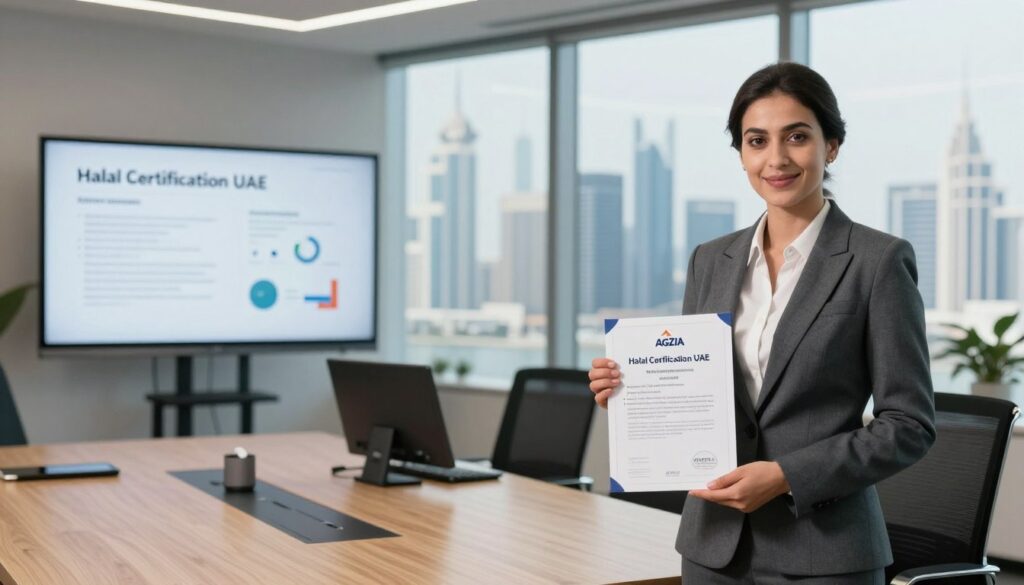
6. Halal Certification UAE: Navigating Regulatory Frameworks and Standards
The UAE’s food scene is changing fast. Halal certification is now for plant-based and clean-label foods too. Getting halal certification in the UAE means following strict rules based on Islamic dietary laws.
Emirates Authority for Standardization and Metrology Guidelines
The Emirates Authority for Standardization and Metrology (ESMA) sets the rules for halal certification in the UAE. ESMA works with other groups to make sure halal certification is given out right.
ESMA says halal certification means checking the whole production process. They look at where raw materials come from and how products are made. They make sure all ingredients are okay and production places are clean and safe.
International Certification Bodies Operating in the UAE
Many international groups offer halal certification in the UAE. They work with local makers and buyers to make sure products are halal.
Some big names in the UAE include:
- Islamic Society of North America (ISNA)
- Halal Monitoring Authority (HMA)
- Halal Certification Services (HCS)
The Challenge of Certifying Plant-Based and Clean-Label Products
Plant-based and clean-label products are hard to certify. They have complex making processes and ingredients from different places. It’s tough to check if they’re halal.
A halal expert says, “Plant-based products are a big challenge. We need new ways and stricter rules to keep these products halal.”
“The halal certification process is not just about ensuring compliance with Islamic dietary laws; it’s also about building trust with consumers.”
Here’s a quick look at the main issues and solutions for halal certifying plant-based and clean-label products:
| Challenge | Solution |
|---|---|
| Complex sourcing of ingredients | Implement stricter supplier verification processes |
| Lack of transparency in production processes | Use technology to enhance supply chain visibility |
| Ensuring halal status of novel ingredients | Develop clear guidelines for novel ingredients |
7. The Demographic Divide: Urban Youth Driving the Halal-Plus Revolution
In the GCC, a new generation is changing the halal food scene. Young people, like millennials and Gen Z, are leading the way. They have their own tastes and values.
Millennial and Gen Z Muslim Consumers Redefining Halal
These young folks want more than just halal food. They look for products that fit their lifestyle. The idea of halal is now broader, covering more than just religious rules.
Health Consciousness and Fitness Culture Integration
Young Muslims are focusing on healthy eating. They seek halal food that’s good for them. This means more demand for plant-based and clean-label products that support their health goals.
Environmental Awareness and Carbon Footprint Concerns
Young people also care about the planet. They want food that’s good for the environment. This is creating chances for ethical food investment in the halal market.
The Dubai and Riyadh Effect: Urban Centers as Food Trendsetters
Dubai and Riyadh are leading the food trends in the GCC. These cities are full of young, wealthy people looking for new food experiences. They drive innovation in the food industry.
Some trends in these cities include:
- More demand for high-end halal food
- Vegetarian and vegan options are getting popular
- Food delivery and meal kits are becoming more common
Social Media Influence on Halal Food Choices
Social media shapes what young people eat. Influencers and online groups help spread the word about halal-plus products. Many young people look to social media for food ideas.
Social media’s impact is clear in several ways:
- It helps people find new halal products and brands.
- It creates online communities for halal food lovers.
- It helps influencers promote halal-plus items.
8. Ethical Food Investment: The Compelling Business Case for Halal-Plus
The halal-plus market is growing fast. It combines faith and health values. This makes it a big hit with investors.
Venture Capital and Private Equity Flowing into Halal Food Tech
Halal food tech is getting a lot of money. People are putting money into companies that make plant-based halal foods. They also invest in companies that make food safer and more traceable.
Key investment areas include:
- Plant-based protein sources
- Clean-label ingredients
- Digital platforms for halal certification and traceability
Major Food Corporations Repositioning Their GCC Portfolios
Big food companies are changing their plans for the GCC. They want to sell more halal-plus products. They’re making their products and packaging better to meet local tastes.
Nestlé Middle East Halal-Plus Initiatives
Nestlé Middle East is leading in halal-plus. They’ve made plant-based and clean-label products that people in the area like.
Unilever and Almarai Strategic Partnerships
Unilever and Almarai are working together. They’re making and selling halal-plus products in the GCC. They use their knowledge of food and the market to do this.
| Company | Halal-Plus Initiatives | Market Focus |
|---|---|---|
| Nestlé Middle East | Plant-based meat alternatives, clean-label dairy | GCC-wide distribution |
| Unilever & Almarai | Halal-certified personal care and food products | Saudi Arabia and UAE |
Investment Opportunities in Supply Chain Infrastructure
The halal-plus market is creating new chances for investment. People can invest in cold storage, logistics, and halal certification.
ESG Criteria and Halal-Plus Natural Alignment
Halal-plus fits well with ESG values. It focuses on being green, fair, and open. This makes it appealing to investors who care about the planet and people.

The halal-plus market is a great choice for investors. It meets the needs of consumers who want healthy, sustainable, and faith-based products.
9. Challenges and Skepticism: The Path Forward Is Not Without Obstacles
The halal-plus market is growing fast but faces many challenges. Despite the promise of plant-based meat and clean-label food in the GCC, there are hurdles to overcome.
Religious Scholars’ Perspectives on Plant-Based Alternatives
One big challenge is what religious scholars think about plant-based alternatives. Some see them as okay for halal, but others are unsure if they follow Islamic laws.
This disagreement can confuse people and slow down the use of plant-based meat in the GCC.
Price Sensitivity and Market Accessibility Barriers
Another issue is price sensitivity and getting these products to market. Halal-plus items, like plant-based or clean-label foods, cost more than regular ones.
This price gap is a big problem in the GCC, where cost matters a lot when buying food.
Greenwashing Concerns in the Clean-Label Space
The clean-label area also worries about greenwashing. Companies might falsely claim their products are clean or natural to attract buyers.
Regulators in the GCC need to watch out for this. They must make sure products labeled as clean-label food GCC really are.
Balancing Cultural Tradition with Food Innovation
Lastly, there’s the task of mixing cultural tradition with new food ideas. The halal-plus movement must find a way to honor old traditions while also introducing new foods.
By tackling these issues, the halal-plus market can keep growing. It will offer more choices that fit with what people want to eat and believe in.
10. Conclusion
The halal-plus trend is changing the food scene in the GCC. It’s because more people want food that fits their faith and lifestyle. This mix of faith, health, and green living is becoming more important.
The GCC’s halal food market is set to grow a lot. This is because of more people and better economy. The halal-plus part will be very important in this growth.
Plant-based foods and clean-label products are becoming more popular. This is because people want to know what’s in their food and want it to be healthy. This trend is expected to keep growing.
As the halal-plus trend grows, more money will go into food tech and new ideas. This is thanks to investors looking for good returns. Halal-plus matching with green living and what people want will help it grow. This opens up new chances for businesses to succeed.