Frozen bakeries in the food manufacturing industry
Case study: Frozen bakeries in the UAE, major GCC players, imports versus local manufacturing, supply chain challenges, and prospects for market consolidation.

Case study: Frozen bakeries in the UAE, major GCC players, imports versus local manufacturing, supply chain challenges, and prospects for market consolidation.
Opinion: Confectionary ingredient market in GCC: players, imports versus local production, supply chain risks from recent shifts, and consolidation outlook.

View: Sauces and conditments in GCC, key players, imports versus local manufacturing, supply chain challenges, recent developments, consolidation prospects.

Explore the chocolate industry in KSA with insights on past performance, future outlook, new entrants, greenfield investments, and recent M&A consolidation.
The chocolate industry in UAE has changed a lot in the last two years. Fast changes in what people want and the economy have made local brands work hard to be new and different. This change shows a move towards better, handmade chocolates that meet the tastes of the area.
Big market consolidation is key in this competitive world. Big companies are joining forces to make their supply chains better and get more of the growing candy market. These changes are not just about getting bigger. They are about making better products and being sustainable for a long time. As the economy keeps going up, businesses need to keep up to stay important in this changing world.
The chocolate industry in UAE has grown a lot. It’s now a place of new ideas in food. The market has changed from just selling chocolate to making special and high-quality treats. This shows the country’s economic growth and its fame for luxury items.
The country’s many people from different places have helped a lot. They like different kinds of chocolate. So, the chocolate industry in UAE now offers more than just common chocolate.

Today, people want chocolate that is good and comes from a special place. The market has grown to include many types. These include:
This change shows a move towards premiumization. As the chocolate industry in UAE grows, local makers compete with big names. They focus on quality and using local ingredients. This keeps the market exciting, full of new ideas, and ready for what customers want.
The chocolate industry in the United Arab Emirates has grown a lot in the last ten years. To understand its growth, we need to look at cultural and economic factors. These factors have shaped how people buy chocolate.

The demand for chocolate in the UAE has been boosted by seasonal gifting traditions. Sales go up during Ramadan and Eid. This helps companies plan better.
The rise of premium gifting has also helped the market. People now see chocolate as a good gift for parties and work events. This has made brands focus on local tastes and packaging.
International tourists have helped the chocolate market grow. They look for high-quality sweets, which boosts sales in fancy shops and duty-free areas. This keeps the market growing, even when locals are not buying as much.
The table below shows what has helped the chocolate market grow in the UAE:
| Driver Category | Primary Impact | Market Influence |
|---|---|---|
| Seasonal Festivals | High Volume Sales | Significant |
| Tourism Influx | Premium Segment Growth | High |
| Corporate Gifting | Steady Annual Demand | Moderate |
| Retail Expansion | Increased Accessibility | High |
The chocolate industry in UAE is seeing a battle between big brands and new trends. From common milk chocolate to Dubai chocolate, the market is changing fast. This change shows how people now see value and quality in sweets.
The market splits into mass-market, premium, and artisanal types. Mass-market items are everywhere, perfect for daily treats. They are a big hit in homes across the Emirates.
The premium segment is growing fast. People want chocolate with more cocoa and special tastes. Dubai chocolate is big here, with its fancy looks and unique tastes. This segment uses special releases to keep young people interested.
The chocolate industry in UAE is getting more competitive. Big names face tough competition from quick local brands. Local brands use social media to connect directly with fans, skipping traditional ads.
Big players must now come up with new ideas to stay ahead. They’re using local ads that speak to the UAE’s diverse culture. Below is a table showing the main market segments and their differences.
| Segment | Primary Driver | Target Audience | Price Point |
|---|---|---|---|
| Mass-Market | Convenience | General Consumers | Low to Moderate |
| Premium/Artisanal | Quality & Experience | Discerning Buyers | High |
| Viral/Dubai Chocolate | Social Media Trends | Gen Z & Millennials | Premium |
Market consolidation is big in the UAE’s confectionery world. Big players are focusing on streamlining operations to stay ahead. They want to cut costs and get products to stores faster.
The UAE’s chocolate scene has changed a lot with big mergers. Global giants are buying local brands to reach more people. These strategic moves help them grow without starting over.
By merging with smaller companies, big players get into the premium market. This makes the market stronger and research better. Investors see this as a sign of a growing and stable market.
“The current wave of mergers is not just about size; it is about creating a unified ecosystem that can withstand global supply chain pressures while serving the unique tastes of the UAE consumer.”
Companies are also working on their distribution networks. They’re making logistics and cold chain better. This vertical integration keeps products fresh for local chocolate lovers.
The table below shows the main benefits of this restructuring:
| Strategy | Primary Benefit | Operational Impact |
|---|---|---|
| Centralized Warehousing | Reduced Logistics Costs | Faster Delivery Times |
| Vertical Integration | Supply Chain Control | Consistent Product Quality |
| Shared Distribution | Market Penetration | Increased Retail Reach |
This work has improved how companies operate in the Emirates. The goal is to make everything smooth from production to sale. This focus on efficiency is key to the ongoing consolidation.
A new wave of brands is changing the UAE confectionery scene. They focus on unique flavor profiles and quality ingredients. This makes them stand out to a picky local crowd.
Small producers are making a big splash by highlighting where their cocoa comes from. They offer premium chocolate that shows off their skill. This attracts people who prefer unique products over common ones.
These artisanal chocolate makers create special flavors and limited batches. This makes their products seem exclusive. It also makes big companies rethink how they make and sell their products.
Global brands are also growing in the UAE. They bring their strong supply chains and well-known names. This makes the market more competitive, especially for premium chocolate.
These big retailers open big stores for a special shopping experience. They mix their global products with artisanal chocolate for everyone. This keeps them in the game as Dubai chocolate becomes more popular.
Strategic greenfield investments are changing how chocolate brands work in the UAE. They are building new places to make chocolate instead of relying on imports. This move helps them deal with the ups and downs of the global market.
The UAE government is helping this change with special plans. They offer tailored incentives like lower utility costs and easier licenses. These help big chocolate makers set up shop and grow.
Industrial areas in the Emirates have top-notch facilities. This makes it easier for new factories to start. Thanks to these government help, businesses can save money and grow in the UAE.
To grow, companies need more than just space. They need the latest technology and automation. Many are using greenfield investments to bring in smart systems that use ingredients better and waste less.
These modern factories help keep chocolate quality high and meet demand fast. As they get bigger, they make the local market better with quicker delivery and fresher products. These strategic investments are building a strong chocolate industry in the UAE.
In the UAE, the bakery industry M&A scene is merging with premium chocolate making. This move helps companies grab a bigger piece of the “treat” market. By working together, they can make things more efficient and reach more people in the Emirates.
Vertical integration is key for businesses wanting to improve their supply chains. When a chocolate maker buys a bakery, they control the whole process. This seamless integration cuts down on relying on outside suppliers and keeps quality high.
Also, these deals save money by sharing logistics and buying supplies together. Companies can get better deals on things like cocoa and flour because of their size. This is crucial in the UAE, where costs are high.
Mixing chocolate and bakery work leads to quick new product ideas. Brands are making things like chocolate-filled pastries and fancy dessert kits. This bakery industry M&A keeps companies up-to-date with what people want to eat.
“The true power of these mergers lies in the ability to transform a simple snack into a premium experience that resonates with the sophisticated palate of the UAE consumer.”
The table below shows the benefits of these partnerships:
| Operational Metric | Standalone Bakery | Integrated Operation |
|---|---|---|
| Supply Chain Control | Limited | High |
| Innovation Speed | Moderate | Rapid |
| Market Reach | Regional | National/GCC |
| Cost Efficiency | Baseline | Optimized |
The bakery industry M&A trend will keep growing as companies look to expand. By exploring new product areas, they’re set to lead the market soon.
A big change is happening in the United Arab Emirates. People are now looking for premiumization in sweets. They want to spend more on quality, not just quantity. This change shows a global move towards better taste and ingredients.
More people in the area are caring about their health. They want organic and sugar-free sweets that taste great. Stores are now offering special treats for different diets, like keto or vegan.
The popularity of artisanal chocolate is growing. Small makers focus on quality and use the best cocoa beans. What’s driving this demand includes:
In the UAE, chocolate is key for showing respect and kindness. The tradition of giving chocolate is strong. It’s perfect for weddings, holidays, and work events.
“The art of gifting in the Middle East is deeply rooted in quality and presentation, making luxury confectionery an essential element of every celebration.”
People want artisanal chocolate in fancy boxes. It’s not just for eating but also for giving. As tastes for unique, high-end sweets grow, so will the demand for luxury sweets.
In the fast-changing confectionery market of the United Arab Emirates, supply chain resilience is key. Companies must deal with complex trade routes to keep production going. This helps them keep their market share and quality high for local buyers.
The cost of cocoa liquor changes a lot, putting pressure on the confectionery sector. To handle this, many are using long-term contracts and hedging. This helps them manage financial risks better.
Another good move is to get cocoa from different places. This way, companies don’t rely too much on one market. It helps keep high-quality cocoa liquor coming in, even when there are supply issues.
Chocolate makers must keep their products at the right temperature. The UAE’s hot weather means they need good cold storage. This keeps chocolate fresh during transport and storage.
Good logistics are also key. They help cut down on costs and time. Using smart tracking lets companies keep an eye on their goods. This focus on infrastructure helps the chocolate industry grow.
| Strategy | Primary Benefit | Implementation Level |
|---|---|---|
| Hedging Contracts | Price Stability | High |
| Supplier Diversification | Risk Mitigation | Medium |
| Cold Chain Automation | Quality Assurance | High |
| Local Warehousing | Reduced Lead Times | Medium |
The market in the United Arab Emirates is getting more strict. Now, making sweets must follow strict rules to keep everyone safe. This change means companies have to think differently about what they make and what they use.
The Emirates Authority for Standardization and Metrology (ESMA) is key to keeping food safe. Chocolate makers must follow these rules to avoid fines and stay in business. Following the rules is key to keeping customers happy in a place that values good food.
These rules set clear guidelines for sweets, like how much sugar they can have. If companies don’t follow these, they might have to recall their sweets or can’t sell them. So, many companies are making their quality checks better to meet these standards.
People in the UAE want to know what’s in their sweets. Now, labels must show where the ingredients come from and how good they are. This helps people choose sweets that are good for them.
“Transparency in labeling is no longer just a legal requirement; it is a competitive advantage that builds long-term loyalty with the modern, health-aware consumer.”
To meet these needs, companies are making sweets with less sugar and more natural taste. By using better cocoa liquor, they make chocolate that tastes great without needing lots of additives. Here’s a table showing how rules are changing the sweets industry.
| Regulatory Focus | Impact on Production | Consumer Benefit |
|---|---|---|
| Sugar Content | Mandatory reformulation | Healthier options |
| Ingredient Purity | Higher quality cocoa liquor | Better flavor profile |
| Labeling Accuracy | Strict disclosure rules | Increased trust |
| Safety Protocols | ESMA certification | Reduced health risks |
Stricter regulatory standards are making the sweets industry better. By focusing on quality and being open, the UAE sweets are becoming a top choice. This focus on being the best helps both local and international brands do well in a fair and open market.
The digital world is changing how people in the UAE buy sweets. The confectionery market is growing, and businesses are moving online. This change is making shopping different in the Emirates.
Premium chocolate brands are now selling directly online. They skip the middlemen to offer unique experiences. This lets them learn what customers like and improve their products.
“Digital platforms provide a unique opportunity to build direct relationships with our customers, ensuring that every interaction reflects our brand values.”
Going direct to customers has big benefits for local businesses:
Delivery aggregators have changed the confectionery market in the UAE. They offer quick access to many products. This meets the UAE’s need for fast delivery.
Working with aggregators is key for staying ahead. They help brands reach more people. The partnership between chocolate makers and delivery services is shaping retail’s future.
The rise of Dubai chocolate brands shows Dubai’s growing role in sweets. Local makers use top-notch methods and ingredients. This helps them grab big regional export chances.
This move shows a bigger trend. It’s about moving from just selling at home to playing a big role worldwide.
The UAE is a top spot for shipping goods around the world. It has great ports and air cargo systems. This makes it easy for companies to send their products.
Many companies use the UAE as a key spot for their business. They get help with customs and save time. This helps them grow without dealing with hard logistics.
Being close to other countries helps Dubai grow. The Gulf Cooperation Council is a great place for growth. Brands make products that fit the tastes of these countries.
Trade rules are getting better, making it easier to sell across the Middle East. Companies are investing in regional export plans. This boosts their sales and makes Dubai chocolate known for quality and new ideas.
The chocolate industry in the UAE is set for big changes. Experts say it will focus on higher value products and better supply chains. This shows a push for excellence in the UAE’s food and drink world.
The market growth trajectory for UAE confectionery looks good. Analysts predict steady growth as people spend more and tourism grows. This growth comes from more local factories and new retail tech.
Investors are watching how these changes affect profits. Here’s a table showing the industry’s expected performance over five years.
| Metric | 2025 Projection | 2027 Projection | 2030 Projection |
|---|---|---|---|
| Market Value (USD Billion) | 1.2 | 1.5 | 1.9 |
| Growth Rate (%) | 5.2% | 6.1% | 7.4% |
| Premium Segment Share | 35% | 42% | 50% |
The industry is moving toward being more eco-friendly. People want premium chocolate that’s good for the planet. So, brands are using biodegradable and plastic-free packaging.
This move to green packaging is key for the future. Companies that go green early will likely do better in the UAE market. They can win over shoppers who care about the planet.
“The future of the confectionery market in the Middle East depends on the ability of brands to balance luxury with sustainability.”
The premium chocolate segment will lead this change. With more local production, the UAE can set new standards for quality and care for the environment globally.
Companies in the UAE confectionery market face rising costs and changes in labor. The area is a top spot for luxury sweets. But, keeping quality high while keeping costs down is hard for makers and sellers.
Business costs in the UAE are going up. This is because of global inflation and changes in supply chains. Makers are paying more for energy, special delivery services, and top-quality ingredients.
Efficiency is key for companies to keep profits up. Many are using new machines to cut down on waste and save energy.
The UAE’s labor scene is complex for the confectionery market. Companies struggle to find skilled workers like chocolatiers and food scientists. These workers must meet high international standards.
Also, hiring costs, visa fees, insurance, and salaries are big expenses. Keeping the best workers is crucial. The industry needs their skills to innovate and create new sweets.
| Challenge Category | Primary Impact | Strategic Response |
|---|---|---|
| Operational Costs | Reduced profit margins | Process automation |
| Labor Dynamics | High recruitment costs | Retention programs |
| Supply Chain | Logistics volatility | Local sourcing |
Those who overcome these challenges in the confectionery market will likely do well. By being efficient and focusing on quality, businesses can succeed even with tough economic times.
The chocolate industry in the United Arab Emirates is changing fast. Brands like Patchi and Mirzam are leading the way with quality. They keep up with new trends to stay ahead.
Success in the future depends on adapting to what people want. Using digital ways to sell and choosing eco-friendly sources are key. Companies that do this well will grow stronger in the UAE.
Investments are helping both big and small chocolate makers grow. This trend is making the GCC’s chocolate market more stable. Leaders should watch these changes to find new chances to grow.
It’s important to listen to what people in the UAE like. Companies that focus on quality and being open will do well. We’d love to hear your thoughts on how these changes affect your business or what you buy.
The UAE’s chocolate market has changed a lot. It used to mainly import chocolate. Now, it’s a place for making high-quality, unique chocolates.
This change is because of more people living in the UAE. They want chocolates that are special and good for them.
The main reason for growth is the tradition of giving chocolates during Ramadan and Eid. These times make people buy more chocolate.
Also, tourists coming to the UAE help global brands like Ferrero and Lindt sell more.
“Dubai chocolate” is about unique, expensive chocolates made in Dubai. Brands like Fix Dessert Chocolatier are leading this trend.
This has made big brands like Mars and Nestlé work harder. They need to offer special flavors and high-quality chocolates to keep up.
Big companies are coming together to make their businesses stronger. They buy other companies to control more of the market.
This helps them manage their supply chains better. It also makes them more stable in the Middle East.
New brands like Mirzam are changing the game. They focus on quality and unique experiences.
They use social media to get noticed fast. This challenges the old ways of doing things in the chocolate market.
Investing in new factories helps the UAE make more chocolate itself. This reduces the need to import.
Government support makes it easier for companies to build these factories. This helps the chocolate industry grow stronger.
Mergers between chocolate and bakery companies lead to new products. They can make things like chocolate-filled pastries.
This helps them sell more and reach more customers. It’s a smart way to grow in the market.
People now want better, healthier chocolates. They look for organic and sugar-free options.
They also like chocolates that look nice. This trend helps high-end brands like Patchi do well.
Companies are working hard to keep their chocolate prices stable. They invest in good logistics and cold storage.
This helps them keep their chocolate quality high. It also helps them get the ingredients they need, even when prices change.
Chocolate makers must follow strict rules. These rules are about being clear about what’s in the chocolate and keeping it safe.
They might need to change their recipes to meet these rules. This helps avoid fines.
The internet has made it easier to buy chocolates online. Many brands now sell directly to customers.
Working with delivery services like Talabat helps them reach more people. It also gives them useful information about what customers like.
The UAE has great logistics. It’s a perfect place to send chocolates to other countries in the GCC.
Both local and international brands use the UAE to grow their businesses. It helps them get their chocolates to more places.
The future looks bright for chocolate in the UAE. There will be more focus on using eco-friendly packaging and getting ingredients in a fair way.
The industry will keep growing. It will be interesting to see how it adapts to new demands.
Companies face big challenges. They have to deal with higher costs and finding the right workers.
They also have to balance the cost of making high-quality chocolates with keeping prices low. This is a big challenge for both makers and sellers.
Explore the bakery industry in KSA with insights on past performance, future outlook, new entrants, greenfield investments, and recent M&A consolidation.

Explore the bakery industry in UAE with insights on past performance, future outlook, new entrants, greenfield investments, and recent M&A consolidations.
The GCC’s food security challenge is well-documented. The region imports approximately 85% of its food, relies on a small number of origin countries for its most strategically critical commodities, and faces a structural mismatch between a rapidly growing consumer base and domestic production capacity that has not kept pace.
What is less frequently articulated — and considerably more useful for investors and food industry operators — is a clear-eyed analysis of which food manufacturing categories represent genuine entry opportunities in 2026, and which have already been addressed by incumbent investment.
This is not a market overview. It is an attempt to identify the white spaces: the categories where import penetration remains high, government incentives remain available, consumer demand is structurally growing, and domestic manufacturing supply has not yet caught up.
The UAE’s National Food Security Strategy 2051 and Saudi Arabia’s Vision 2030 have both created a set of conditions that are unusual by global standards: governments actively incentivising private capital to enter food manufacturing.
The practical expressions of that policy orientation include:
These are not passive market signals. They are active government interventions designed to reduce import dependency — and they represent a direct co-investment thesis for private sector food manufacturers who align with them.
The question for investors is: where in the food value chain does this alignment between government policy, consumer demand growth, and supply gap create the most durable entry opportunity?
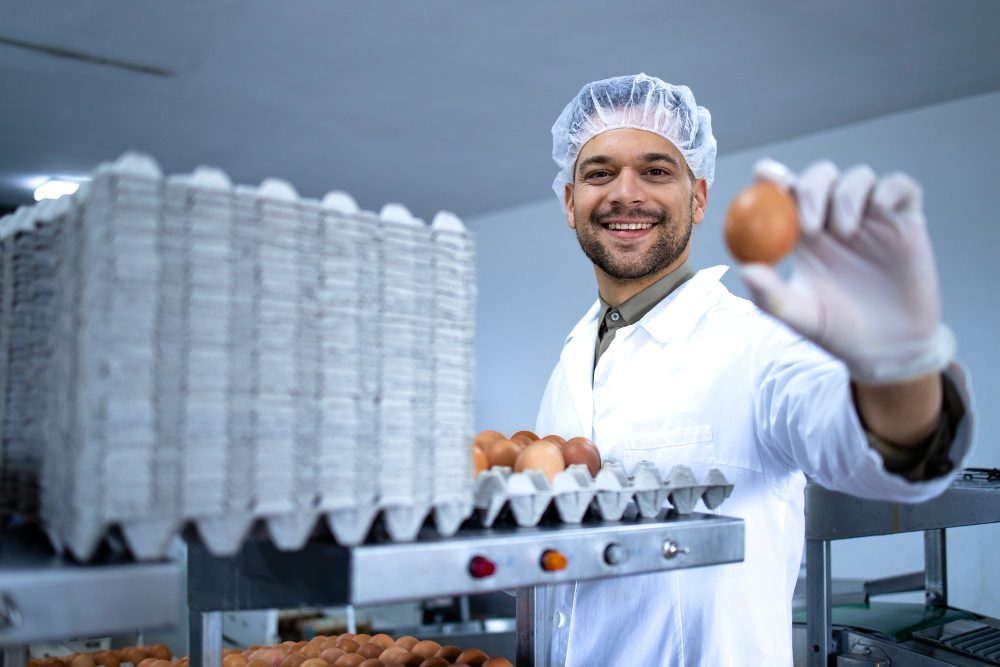
The GCC’s protein consumption per capita is among the highest in the world, and the market for high-protein packaged foods — protein bars, fortified dairy products, high-protein snacks, and sport nutrition formats — is growing at a pace that domestic manufacturing has not yet matched.
The majority of high-protein and functional food products sold in the UAE and KSA are currently imported from Europe, North America, and Australia. Shelf prices reflect international logistics costs and import duties, creating a structural cost advantage for any locally manufactured equivalent.
The regulatory environment for functional food claims in the UAE (ESMA) and KSA (SFDA) is becoming more defined, which actually favours serious manufacturers over the informal import market. Brands with proper SFDA registration and ESMA compliance are gaining retail access that imported products with non-compliant labelling are losing.
The entry opportunity: Contract manufacturing or greenfield production of high-protein snacks, fortified cereals, and functional dairy products — targeting both UAE and KSA retail simultaneously from a single UAE production base.
The UAE’s foodservice and convenience food market is structurally underserved by local manufacturers. The vast majority of chilled ready meals, meal kits, and premium convenience foods on UAE supermarket shelves are imported — typically from European producers with cold chain logistics that add meaningfully to retail price.
The commercial case for locally manufactured chilled convenience foods rests on three pillars:
Freshness: A locally produced chilled product has a shelf life advantage over an imported equivalent that has spent 7–14 days in cold chain transit. Retailers are acutely aware of this, and shelf life at point of delivery is an increasingly important buying criterion.
Cost: Eliminating international cold chain logistics costs and import duties for a chilled product produces a significant unit cost advantage that local manufacturers can partially retain as margin and partially pass to retailers and consumers as a price advantage.
Customisation: Local production allows rapid reformulation for Ramadan-specific products, regional taste preferences, and retailer own-label requirements — flexibility that import-dependent brands simply cannot match.
The challenge in this category is the capital intensity of chilled production — hygienic design standards, temperature-controlled production zones, blast chilling, and refrigerated distribution infrastructure. This is precisely the kind of barrier to entry that makes the category attractive once established.
The entry opportunity: Chilled meal kits and ready meals targeting UAE modern trade and the rapidly growing meal delivery platform market, with the product development flexibility to serve both retail and foodservice channels.
Bakery is the most mature category in GCC food manufacturing, but within it, a significant white space has opened: the intersection of snacking, clean label, and regional flavour authenticity.
The Arab snacking market across MENA was valued at USD 130 billion in 2025, growing at over 9% annually. Within that market, the fastest-growing segments are premium snacks, better-for-you formats, and products that combine regional taste profiles with contemporary health positioning. Date-based snacks, nut-enriched formats, zaatar-flavoured baked goods, and similar regionally-rooted propositions are underrepresented in organised food manufacturing relative to their consumer demand.
Large multinational snack manufacturers are not nimble enough to serve these specific taste occasions. The dominant local producers are largely focused on volume commodity biscuit and confectionery formats. The mid-market — premium regional snacks at accessible price points — is the gap.
The entry opportunity: A focused snack manufacturing operation, targeting modern trade in UAE and KSA with differentiated regional flavour and clean-label positioning, can build defensible shelf presence in a space that mainstream players are not competing for aggressively.
The UAE and KSA import the overwhelming majority of their ambient cooking sauces, spice blends, marinades, and cooking bases. This category has several characteristics that make it attractive for local manufacturing investment:
Saudi Arabia’s culinary heritage is particularly underserved in terms of industrialised production of traditional condiments and spice blends. The Vision 2030 mandate for local food production, combined with growing pride in Saudi culinary identity, is creating an environment where locally produced versions of traditional Saudi flavours command both commercial premium and government affinity.
The entry opportunity: A mid-scale ambient sauce and condiment manufacturing facility, targeting KSA modern trade with regionally authentic product positioning, sits at the intersection of Vision 2030 localisation policy and growing consumer demand.
This is the emerging category — the one where current volume is still modest but directional growth is unambiguous, and where the window for first-mover manufacturing positioning is still genuinely open.
GCC governments — particularly Qatar and the UAE — are actively investing in alternative protein research and production infrastructure. The UAE’s Food Tech Valley is specifically designed to accelerate innovation in sustainable food production, and plant-based dairy alternatives are explicitly within its mandate.
Consumer adoption of plant-based dairy in the GCC is still early-stage compared to European or North American markets. Oat milk, almond-based products, and soy alternatives are available in UAE and KSA modern trade, but almost exclusively through imports. Local production would capture the import substitution margin, enable faster product localisation, and position an early entrant as the category grows.
The capital requirement for plant-based dairy production is meaningful but not prohibitive at mid-scale. And the regulatory pathway, while evolving, is becoming more defined as SFDA and ESMA respond to the category’s growth.
The entry opportunity: A first-mover local producer of oat or nut-based dairy alternatives — in the UAE, serving the regional GCC market — has the opportunity to establish category leadership before the market becomes competitive.
Across all five categories, several structural characteristics recur:
These are not lottery tickets. They are categories where the analytical work supports the investment case — provided the entry is structured correctly from the outset.
Identifying the right category is only the first decision. The more consequential ones — what scale, what product-market combination, what regulatory pathway, what capital structure, what operational model — require the kind of sector-specific analysis that distinguishes a well-built food business from a well-intentioned one.
The investors and brands that get this right in 2026 and 2027 will look back on this period as a structurally advantaged entry window. Those who wait until the categories are crowded and the incentives are diluted will pay a different price.
Speak to the Agzia team about your food manufacturing investment strategy in the GCC
Every significant food manufacturing investment in the UAE starts with a decision: commit capital based on intuition and market enthusiasm, or build a rigorous analytical foundation before a single dirham is deployed.
The investors who skip that foundation — who proceed on the strength of a market overview, a rough equipment quote, and a conviction that “people always need food” — tend to encounter the same categories of problem. Costs that run 30–50% above initial estimates. Regulatory timelines that compress projected revenue windows. Market assumptions that held at a high level but collapsed under category-specific scrutiny. Product-market fit that looked obvious but proved elusive in practice.
A professionally conducted food manufacturing feasibility study does not guarantee success. What it does is replace assumption-driven decision-making with evidence-based analysis — and give investors, boards, and lenders the visibility they need to commit to a project with confidence, or to redirect capital before it is irretrievably deployed.
This article explains what a rigorous food feasibility study in the UAE actually covers, what distinguishes a credible study from a superficial one, and when in the investment journey it should happen.
A feasibility study is a structured, independent analysis of whether a proposed food manufacturing venture is commercially viable, financially sound, operationally achievable, and strategically defensible.
It is not a business plan. A business plan is an operating document — a roadmap for a decision that has already been made. A feasibility study is the analytical foundation for making that decision in the first place. The two serve different purposes, and conflating them is one of the reasons feasibility studies in the food sector are sometimes too superficial to be genuinely useful.
A credible feasibility study also is not a desk exercise built on secondary data. In the UAE food manufacturing context, it requires primary market intelligence — conversations with buyers, distributors, and competitors — as well as site-specific cost data, regulatory pathway mapping, and supply chain validation that is local, current, and category-specific.
The first and most consequential question in any food manufacturing feasibility study is whether the market can absorb what you intend to produce, at a price point that supports a viable business model.
This requires more than citing headline market size figures. Category-level analysis needs to establish:
The product-market combination (PMC) assessment — identifying which product variants, pack formats, and positioning angles offer the strongest entry opportunity — is the strategic output of this phase. Getting it wrong at this stage is the most expensive mistake possible, because it shapes everything that follows.
A market opportunity is only realisable if the right manufacturing solution exists at the right cost. The technical component of a feasibility study establishes:
The technical assessment is where the gap between what sounds feasible and what is actually engineerable becomes visible. A process that works at 200kg per day in a test kitchen operates very differently at 2,000kg per day on an industrial line — and the capital requirement between those two scales is not linear.
The UAE’s food manufacturing regulatory environment is multi-layered. A project that has not mapped its approvals pathway before committing to a site or a capital expenditure programme risks discovering — at a very late stage — that its planned product, facility, or operating model requires approvals it had not anticipated.
A thorough regulatory feasibility assessment covers:
The financial modelling component of a feasibility study is where the project’s economics become testable. A credible model covers:
Capital Expenditure (CAPEX):
Operating Expenditure (OPEX):
The OPEX model should run at multiple production volume scenarios — conservative, base case, and optimistic — to establish the breakeven point and understand the sensitivity of profitability to volume assumptions.
With the CAPEX and OPEX models in place, the feasibility study builds the investment return picture:
For projects seeking bank financing — whether from UAE commercial banks or development finance institutions — the financial model produced at feasibility stage is the primary analytical document that will be reviewed by credit committees. The quality and rigour of the model directly affects both the probability and the cost of securing debt financing.
Every investment carries risk. A feasibility study that does not systematically identify and assess those risks is not doing its job. In the UAE food manufacturing context, the risk categories that require explicit assessment include:
For each identified risk, the study should specify the probability, the potential financial impact, and the mitigation measure that reduces the risk to an acceptable level.
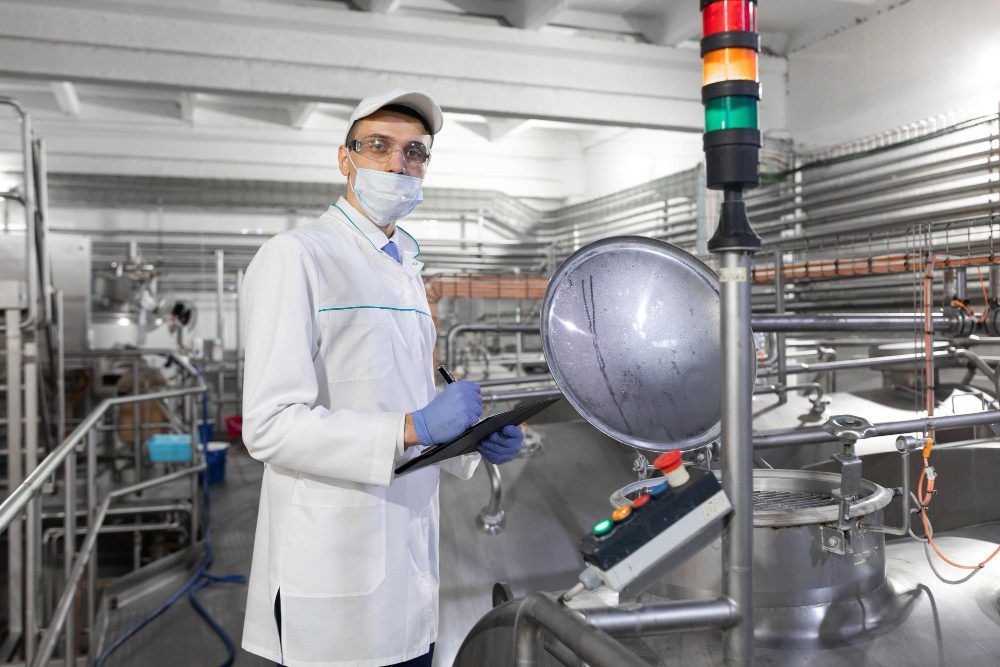
The most valuable feasibility studies are commissioned before any major capital commitment — before signing a lease on industrial land, before placing a deposit on equipment, and before finalising a business plan for investor or bank presentation.
Investors sometimes commission feasibility studies after they have already made preliminary commitments — after signing an MOU on a site, or after paying a deposit to an equipment vendor. At that point, the study has lost much of its strategic value, because the client is unconsciously motivated to confirm a decision already taken rather than to honestly test it.
Feasibility is most powerful — and most honest — when it is commissioned as a genuine decision-making tool, with the explicit understanding that a negative outcome is a valuable result. A feasibility study that redirects AED 5 million away from a project that would have failed is worth many times its cost.
A professionally conducted food manufacturing feasibility study in the UAE typically costs between AED 80,000 and AED 250,000, depending on the complexity of the category, the scope of primary market research required, and the depth of technical engineering assessment.
Against a capital investment of AED 5 million to AED 20 million — the typical range for a first food manufacturing facility in the UAE — that represents 1–3% of the total investment. The cost of not having one, when a project encounters problems that a study would have identified, is typically an order of magnitude larger.
If you are evaluating a food manufacturing investment in the UAE — whether a greenfield build, an expansion, or a product category entry — the conversation starts with scoping what a rigorous feasibility assessment looks like for your specific situation.
Speak to the Agzia team — get a free consultation on your food venture
Saudi Arabia’s food manufacturing sector is undergoing a transformation that has no real precedent in the region’s economic history. Under Vision 2030, the Kingdom is actively repositioning itself from a food import-dependent economy to a localised production base — offering incentives, industrial city infrastructure, and regulatory frameworks that make now one of the more strategically compelling moments to enter the KSA food manufacturing market.
For international food brands, regional producers, and investors evaluating the Kingdom’s food sector, contract manufacturing — the model where a brand outsources physical production to an established local manufacturer — has emerged as one of the most practical routes to market entry. It avoids the full capital commitment of a greenfield factory build while still allowing brands to access local production, local regulatory compliance, and the “Made in Saudi” positioning that is increasingly valued by Saudi retail buyers and government procurement channels.
But contract food manufacturing in Saudi Arabia is not simply a matter of finding a factory and signing an agreement. The landscape is more nuanced than that, and the decisions made at the outset have long-term implications for brand control, quality consistency, and profitability. This guide covers the strategic, regulatory, and operational considerations that matter most.
Several forces are converging to expand the contract food manufacturing market in Saudi Arabia simultaneously.
The Vision 2030 Localisation Mandate: Saudi Arabia has set an explicit target to localise 85% of its food processing across 11 designated domestic clusters by 2030. Government incentives — including subsidised industrial land through MODON (the Saudi Authority for Industrial Cities and Technology Zones), reduced utility costs, and access to the Agricultural Development Fund — are driving investment into local manufacturing capacity.
The Scale of Domestic Demand: Saudi Arabia has a population of approximately 36 million people, a growing tourism and hospitality sector, and per capita food spending that continues to rise year on year. The Kingdom is the largest food market in the GCC, and the domestic appetite for packaged, processed, and branded food products is significant and structurally growing.
Import Substitution Pressure: Saudi agricultural GDP reached approximately SAR 114 billion in 2024 — a record — but the Kingdom still imports a substantial share of processed food. For regional brands that currently export finished products into KSA, producing locally through a contract manufacturer eliminates customs duties, shortens lead times, and often yields a meaningful cost advantage.
The Rise of Saudi Consumer Nationalism: “Made in Saudi” is no longer just a regulatory compliance box. It is increasingly a commercial advantage in retail, foodservice, and government-linked institutional buying. Brands that can credibly demonstrate local production origins are gaining shelf space and tender access that is not available to purely imported products.
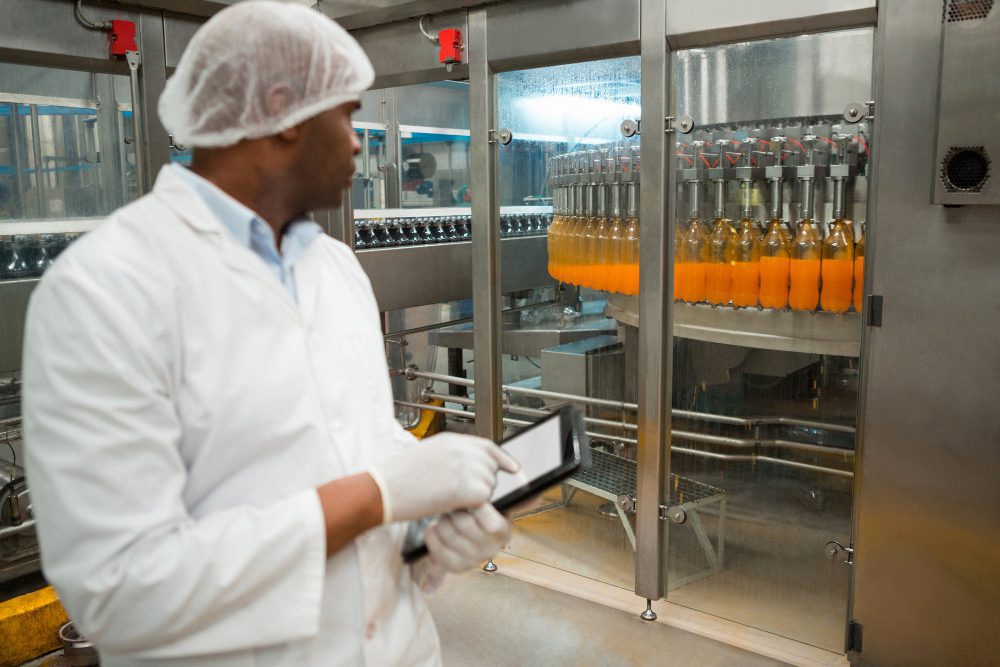
The Saudi Food and Drug Authority (SFDA) governs food manufacturing and labelling standards in the Kingdom, and any contract manufacturing arrangement in Saudi Arabia must be structured to maintain full SFDA compliance.
Key regulatory considerations for contract manufacturing arrangements include:
Product Registration: All food products sold in Saudi Arabia must be registered with the SFDA before they can be commercially distributed. If you are using a contract manufacturer, responsibility for product registration — and compliance with SFDA’s labelling, ingredient, and additive standards — typically sits with the brand owner, not the manufacturer. Brands must ensure that formulations used in KSA production align precisely with SFDA-approved specifications.
Halal Certification: Saudi Arabia requires halal certification for all food products. Your contract manufacturer must hold a valid halal certificate from a body recognised by the Saudi Standards, Metrology and Quality Organisation (SASO). Verifying the scope and currency of that certification — specifically that it covers the product category and production line you intend to use — is a non-negotiable due diligence step.
GMP and Food Safety Standards: Contract manufacturers operating in Saudi Arabia are expected to comply with Good Manufacturing Practices aligned with international standards. Many of the larger facilities in industrial cities carry FSSC 22000 or ISO 22000 certification. Where a manufacturer does not hold international certification, brands commissioning production should conduct their own facility audit before signing.
Labelling Requirements: SFDA labelling standards include Arabic language requirements, specific nutritional disclosure formats, and restrictions on certain health and functional claims. Labelling compliance is the brand owner’s responsibility — not the manufacturer’s — and errors at this stage can result in shipment holds or product recalls.
The KSA contract manufacturing market is not homogenous. Facilities range from well-capitalised industrial operations in MODON cities with automated production lines and international certification, to smaller regional manufacturers operating below the standard that internationally-aligned brands typically require. Due diligence is not optional.
The most fundamental question is whether the manufacturer’s existing equipment and process capability matches your product’s technical requirements. A facility optimised for long-shelf-life ambient products is not the right partner for a chilled ready meal. A dairy processor with HTST pasteurisation lines cannot produce ESL products without capital investment.
Before any commercial conversation, verify:
Ask for the manufacturer’s most recent external audit reports. A credible manufacturer will share these without hesitation. Review HACCP documentation, corrective action logs, and any recall or non-conformance history. The quality culture of a contract manufacturer is one of the hardest things to change after a relationship has begun.
Contract manufacturing agreements in Saudi Arabia should explicitly cover:
Saudi contract law applies to these agreements; engaging a local legal advisor to review terms is strongly recommended.
The location of your contract manufacturer affects logistics costs, regulatory processing times, and access to raw material supply chains. MODON’s industrial cities — in Riyadh, Jeddah, Dammam, and other regions — are purpose-built for food manufacturing and typically offer superior infrastructure, utility reliability, and regulatory proximity compared to standalone facilities outside designated zones.
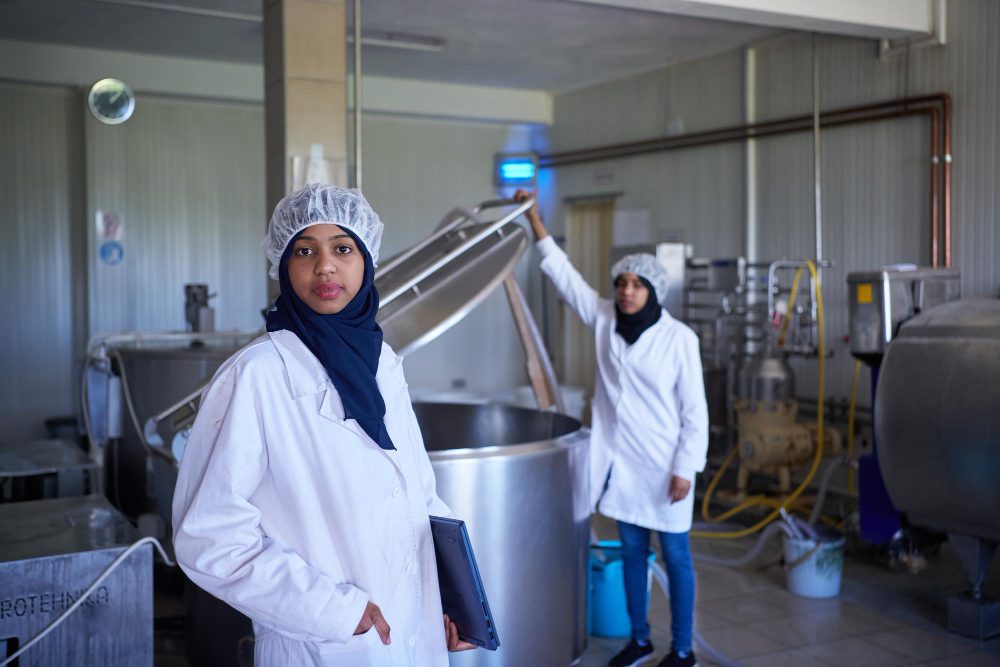
Contract manufacturing is the faster, lower-capital route to market entry in KSA. But it is not always the right long-term answer. The strategic logic typically unfolds in stages:
Phase 1 — Market Validation (0–24 months): Use a contract manufacturer to enter the market, validate demand, build retail relationships, and accumulate the volume data needed to justify a capital investment decision. Keep CAPEX commitment minimal while the commercial model is proven.
Phase 2 — Capacity Decision (18–36 months): Once you have demonstrated consistent demand, the economics of owning versus commissioning production shift. At meaningful scale — typically from 500 tonnes per year upward depending on category — owned production begins to offer a cost-per-unit advantage that contract manufacturing cannot match.
Phase 3 — Asset Investment: A greenfield build, acquisition of an existing facility, or joint venture with the contract manufacturer. The data and relationships built in Phase 1 and 2 make the capital case far cleaner than entering with a greenfield assumption.
This is the framework that disciplined food investors use in KSA. Those who skip Phase 1 — committing capital to a factory before the market is validated — carry significantly more risk than the market warrants.
Saudi Arabia’s food sector investment environment in 2026 is, by objective measure, more favourable than it has been at any prior point. The combination of government-backed industrial infrastructure, Vision 2030 localisation incentives, SFDA regulatory clarity, and a large domestic consumer market creates conditions that are attracting regional and international food brands at an accelerating rate.
The brands and investors entering now — through a well-structured contract manufacturing arrangement — are building supply chain and commercial relationships ahead of the competitive pressure that will inevitably intensify as the decade progresses.
Understanding the regulatory pathway, identifying and auditing the right contract manufacturing partners, structuring commercial agreements, and building the bridge between market entry and long-term asset ownership — these are the engagements that Agzia has conducted across the KSA food sector for the brands and investors that get it right.
If you are evaluating a contract manufacturing strategy for Saudi Arabia, the starting point is a structured project assessment — not a factory visit.