



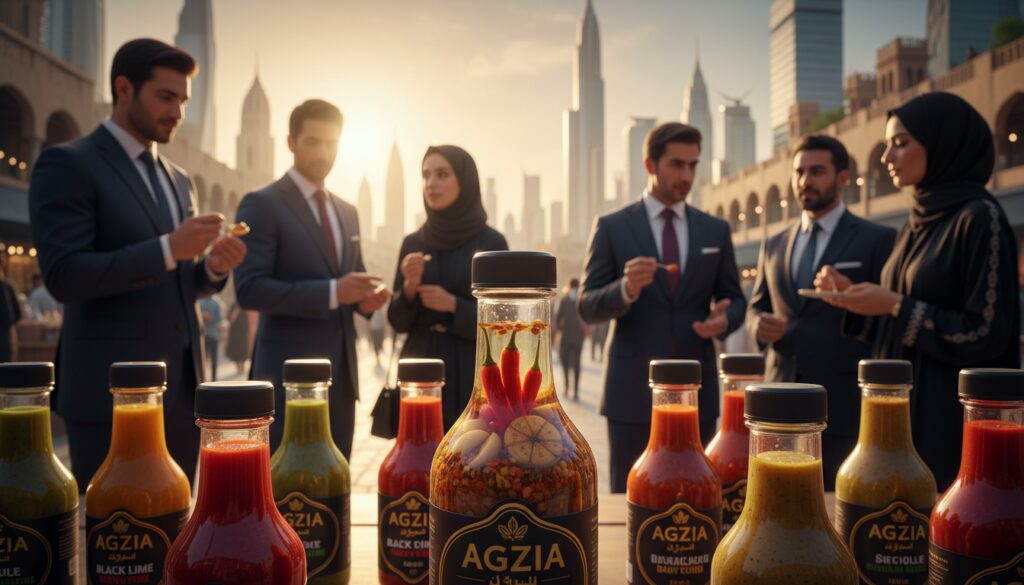
The global market for specialty hot sauces is growing fast. This is because more people want different and high-quality condiments. The market is expected to hit USD 5.98 billion by 2032, with a 7.78% growth rate.
The GCC condiment market is also growing. This is because people are more interested in trying new foods and flavors. Knowing what local customers like is key to doing well here.
Key Takeaways
- The global hot sauce market is projected to grow at a CAGR of 7.78% from 2025 to 2032.
- The GCC region is witnessing a surge in demand for premium and diverse condiments.
- Local production can offer a competitive edge in the GCC condiment market.
- Consumer preferences in the GCC are shifting towards international flavors.
- Industry insights indicate a growing trend towards specialty condiments.
The GCC Condiment Market Landscape
The GCC condiment market is growing fast. More people want to try different flavors. This includes hot sauces.
Current Market Size and Growth Trajectory
The market has been growing steadily. People are looking for new tastes. This trend is expected to keep growing.
Key Players and Distribution Channels
Big names and local brands lead the market. You can find them in supermarkets, specialty stores, and online.
| Key Players | Distribution Channels |
|---|---|
| International Brands | Supermarkets |
| Local Manufacturers | Specialty Food Stores |
| New Entrants | Online Platforms |
Regional Variations Across GCC Countries
Each GCC country has its own taste preferences. For example, Saudi Arabia and the UAE have different hot sauce tastes.
Market Trends: More people want unique and exotic flavors. This is making the GCC condiment market grow.
Specialty Hot Sauces in the GCC: Market Analysis
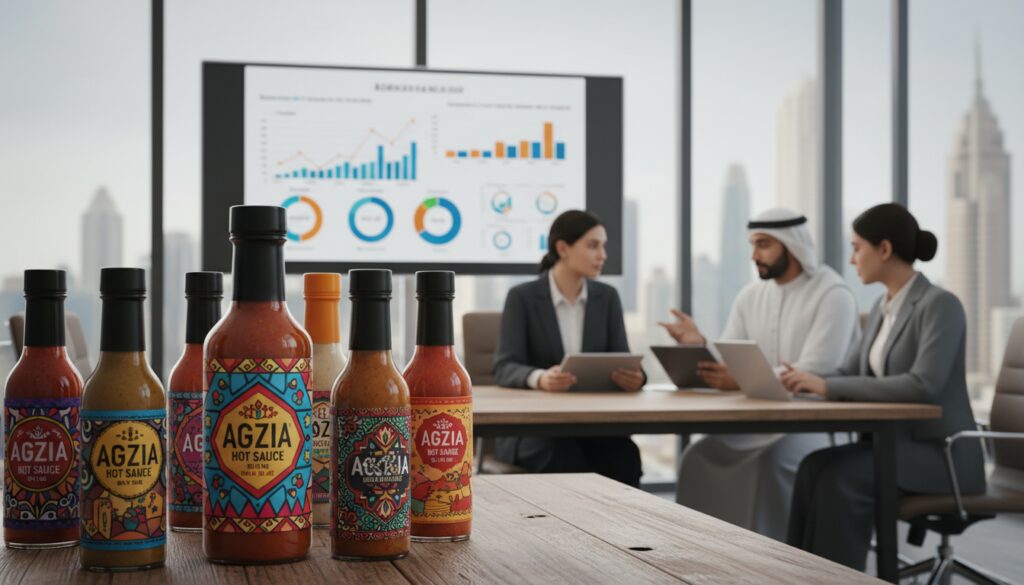
The GCC market for specialty hot sauces is growing fast. This is because more people want different and better condiments. The global hot sauce market is also growing, expected to hit USD 10.9 billion by 2034.
Current Market Share and Valuation
The GCC’s specialty hot sauce market is big and valued highly. More people want international food and unique flavors.
Import Statistics and Major Source Countries
The GCC imports a lot of specialty hot sauces from abroad. Big suppliers come from the United States, Thailand, and India. They are known for making high-quality hot sauces. The data shows a trend towards better and more unique products.
Price Point Analysis and Profit Margins
There are many prices for specialty hot sauces in the GCC. Profit margins vary a lot based on the brand, quality, and how they are sold. Companies are trying to find the best prices to stay ahead.
- The global hot sauce market is driving growth in the GCC region.
- Specialty hot sauces are gaining popularity due to their unique flavor profiles.
- Import statistics show a reliance on international suppliers.
Evolving Consumer Trends in Hot Sauce Consumption

Hot sauce trends are changing fast. People want new and different flavors. This is true in the GCC region, where old and new tastes mix.
The Rise of Artisanal and Craft Hot Sauces
More people want artisanal and craft hot sauces. They look for unique tastes and quality ingredients. This search for authenticity shows a desire for a personal touch.
Fusion Flavors and Cross-Cultural Influences
Fusion flavors are getting popular. People mix different cultures to create new tastes. This makes the hot sauce world richer and more varied.
Social Media Impact on Hot Sauce Popularity
Viral Challenges and Product Visibility
Challenges on social media help hot sauces get noticed. They introduce new fans to different brands and flavors.
Influencer Partnerships and Brand Building
Working with influencers is key for brands. It helps them reach more people and build trust. This way, hot sauce brands grow and connect with their audience.
The hot sauce market will keep changing. It will grow with new flavors and experiences. This is because people keep looking for something unique.
Hot Sauce Consumer Demographics in the GCC
Knowing who buys hot sauce in the GCC is key for businesses. The area has people of all ages, incomes, and backgrounds. These factors shape how they use hot sauce.
Age, Income, and Geographic Distribution
In the GCC, most hot sauce fans are between 25 and 45. They like to try new flavors. People with more money often choose fancy hot sauces.
Cities like Dubai, Riyadh, and Doha love hot sauce. Their food scenes are lively. Stores and restaurants make it easy to find hot sauce.
Expatriate Communities Driving Demand
Expats in the GCC really like hot sauce. They bring their food traditions. This makes the market for hot sauce very diverse.
People from South Asia, Southeast Asia, and the Middle East add to the variety. This makes the hot sauce market in the GCC very interesting for shoppers.
Purchase Behavior and Consumption Occasions
What people buy and when they buy it depends on taste, heat, and brand. They look for hot sauces that go well with local foods.
Retail vs. Food Service Consumption
People buy hot sauce in stores and online, and also in restaurants. Stores and online shopping are big because it’s easy to buy at home.
Restaurants and fast-food places also sell a lot of hot sauce. This is true for expats who like familiar tastes.
Online Purchasing Patterns
Buying hot sauce online is getting more popular in the GCC. E-commerce makes it easy to shop for hot sauce. You can read reviews and compare prices.
This trend will keep growing. Brands are focusing on online sales to reach more people.
Localizing Hot Sauce Production in the GCC Region
The demand for specialty hot sauces is growing in the GCC. Local production is becoming a good business chance. The region’s food industry and location make it perfect for making and selling hot sauces.
Economic Feasibility and Investment Requirements
Starting a hot sauce factory in the GCC needs a lot of money. You’ll need to invest in equipment, hire people, and market your products. But, the rewards are big because of the growing need for gourmet foods. Governments also help by supporting food businesses and entrepreneurs.
| Investment Component | Estimated Cost (USD) | Percentage of Total Investment |
|---|---|---|
| Manufacturing Equipment | 500,000 | 40% |
| Raw Materials and Packaging | 300,000 | 24% |
| Marketing and Distribution | 200,000 | 16% |
| Regulatory Compliance and Licensing | 100,000 | 8% |
| Talent Acquisition and Training | 150,000 | 12% |
| Total | 1,250,000 | 100% |
Regulatory Framework and Compliance Considerations
The GCC has clear rules for making food, including hot sauces. You must follow strict quality and safety rules. You also need the right licenses and follow labeling and packaging rules. Knowing these rules is key to success in making hot sauce locally.
Access to Raw Materials and Ingredient Sourcing
The GCC is close to many places where you can find raw materials. This makes it easy to get chili peppers, spices, and other important ingredients. Local makers can mix international and local tastes to please GCC customers.
Success Stories and Emerging Local Brands
Some local brands are doing well by making gourmet and artisanal hot sauces. Their stories show the chance for growth and creativity in this field. New brands focus on special flavors, being green, and good branding.
The future of hot sauce making in the GCC looks bright. Local brands are ready to take a big part of the market.
Innovative Ingredient Technologies in Hot Sauce Production
New ways to make hot sauce are changing the game. They bring better taste and quality. People want unique and top-notch hot sauces.
Advanced Fermentation and Aging Techniques
New fermentation methods are making hot sauces taste deeper. Companies try different times and ways to get complex flavors. Some use old barrel-aging to add rich flavors.
Heat-Level Control and Flavor Extraction Methods
Keeping the right heat in hot sauce is key. New tech helps get the heat just right. Methods like cold-pressing and infusion bring out the best in ingredients.
Natural Preservatives and Clean Label Solutions
More people want clean label hot sauces. So, makers use natural stuff like garlic and citrus. This keeps the sauce fresh without losing the clean label.
Specialized Equipment for Small-Batch Production
Small-batch hot sauce makers have new tools. They help keep quality high even when making more. This includes special fermenters and temperature control.
These new techs are changing the hot sauce world. They offer more choices for people who love great hot sauces.
Conclusion
The GCC specialty hot sauces market is growing fast. This is because of changing tastes and a desire for new flavors. The market is shaped by things like expats, social media, and the popularity of handmade hot sauces.
Looking into the market, we see a mix of chances for local makers, importers, and investors. To make the most of these chances, knowing the local tastes, who buys these sauces, and the rules is key.
Businesses wanting to succeed in this market can get help from Agzia. They offer deep insights and analysis. This way, companies can find the best ways to meet the growing need for specialty hot sauces in the GCC.
To learn more about the GCC specialty hot sauces market, visit Agzia’s website. They can help your business grow.