




The idea of adaptogens is getting a lot of attention in the wellness world. This is true in the context of the food industry. These natural helpers make our bodies better at dealing with stress, which boosts our overall health.
More and more people are caring about their health. So, companies are adding adaptogens to foods. This makes foods that help our minds and bodies feel better. This change is because people want to live healthier lives.
Using adaptogens in food products is changing how the food industry thinks about wellness. It gives people a natural and good-for-the-earth way to handle stress and stay healthy.
Key Takeaways
- Adaptogens are natural substances that help the body adapt to stress.
- The food industry is incorporating adaptogens into various products to promote wellness.
- Consumers are driving the demand for functional foods with adaptogens.
- Adaptogens offer a natural and sustainable way to manage stress and promote overall health.
- The trend is expected to continue as consumers become increasingly health-conscious.
The Rising Trend of Functional Foods in Modern Wellness
More people are focusing on health, leading to a big increase in demand for functional foods. This change is making the wellness world grow. It shows how important diet is for our health and happiness.
The Shift Toward Proactive Health Management
People want foods that do more than just fill their bellies. They’re looking for foods that help their health. This shows a big move towards proactive health management. People are making smart food choices to take care of themselves.
Consumer Demand for Natural Wellness Solutions
There’s a big want for natural health solutions. People like products without artificial stuff and full of adaptogenic herbs. This need is pushing the market to come up with new, better foods.
UAE Market’s Growing Interest in Functional Foods
The UAE is getting more into functional foods. This is because of a rise in health awareness and a wish for top-notch wellness items. This trend opens doors for makers to create foods that fit what UAE folks like.
Understanding Adaptogens: Nature’s Stress-Balancing Compounds
Stress is a big problem worldwide. Adaptogenic herbs offer a natural solution. These herbs help the body deal with stress. They balance and strengthen the body’s response to stress.
The Scientific Definition of Adaptogens
Adaptogens are substances that help the body handle stress. This stress can be physical, chemical, or biological. They work by changing how the body reacts to stress, like the HPA axis.
Historical Use Across Different Cultures
Adaptogenic herbs have been used for health for centuries. In Ayurvedic medicine, ashwagandha is key. Traditional Chinese medicine uses ginseng, and Siberian folk medicine relies on rhodiola.
How Adaptogens Work in the Human Body
Adaptogens interact with the body’s stress systems. They help control stress hormones like cortisol. This keeps the body balanced and strong against stress.
Adaptogenic herbs offer many benefits. They improve mental focus, reduce tiredness, and boost overall health. Adding these herbs to your diet can help manage stress and enhance life quality.
The Science Behind Adaptogenic Properties
Adaptogens are natural substances found in plants and herbs. They help the body handle stress and keep it balanced. For centuries, people have used them to feel better and be more resilient.
Stress Response Regulation Mechanisms
Adaptogens affect the body’s stress system, called the HPA axis. They help the body adjust to stress, whether it’s physical, emotional, or from the environment. This is key to staying balanced and avoiding stress problems.
Adaptogens work in several ways:
- Corticosteroid regulation: They can change how corticosteroids, like cortisol, are made. Cortisol is released when we’re stressed.
- Antioxidant activity: Many adaptogens fight oxidative damage. This damage can harm cells when we’re stressed.
- Neurotransmitter modulation: They can change the levels and actions of neurotransmitters. These chemicals help us feel and respond to stress.
Homeostasis and Cellular Protection
Adaptogens help keep the body stable, even when things change outside. They do this by protecting cells and keeping them working right. This is important because stress can harm cells and lead to health problems.
Research Supporting Adaptogenic Benefits
Research shows adaptogens can reduce stress and improve well-being. Studies have found that ashwagandha, rhodiola rosea, and ginseng can help with stress and brain function.
A study on ashwagandha found it lowered cortisol levels and helped with stress. Research on rhodiola rosea showed it can reduce mental tiredness and boost performance.
This research is exciting for the food industry. It shows adaptogens could be used in foods and drinks to help people handle stress better and feel more well.
Key Adaptogenic Ingredients Transforming the Food Industry
Adaptogenic herbs are changing the food world. They are being added to foods because of their health benefits.
Ashwagandha: The Ancient Stress Reliever
Ashwagandha helps reduce stress. It’s been used for centuries in Ayurvedic medicine.
Application in Food Manufacturing: It’s added to drinks like teas and energy drinks. This gives people a natural way to feel less stressed.
Rhodiola Rosea: The Fatigue Fighter
Rhodiola Rosea fights fatigue. It boosts mental performance and lowers stress.
Application in Food Manufacturing: It’s used in foods like energy bars. This helps people feel more alert and focused.
Holy Basil (Tulsi): The Immunity Enhancer
Holy Basil, or Tulsi, boosts the immune system. It’s used in traditional medicine for health.
Application in Food Manufacturing: It’s added to teas and soups. This gives a boost to the immune system.
Reishi and Other Medicinal Mushrooms
Reishi mushrooms help the immune system. Mushrooms like Chaga and Cordyceps are also popular for their health benefits.
Application in Food Manufacturing: They’re used in foods like mushroom coffee and tea. This creates functional foods with health benefits.
Ginseng Varieties and Their Unique Properties
Ginseng, including Asian and American types, boosts energy and mental clarity. It’s used to improve vitality.
Application in Food Manufacturing: Ginseng is added to energy drinks and supplements. This gives a natural energy boost.
| Adaptogenic Ingredient | Primary Benefit | Application in Food Manufacturing |
|---|---|---|
| Ashwagandha | Stress Relief | Beverages, Teas, Energy Drinks |
| Rhodiola Rosea | Fatigue Reduction | Energy Bars, Snack Foods |
| Holy Basil (Tulsi) | Immunity Boost | Teas, Soups, Beverages |
| Reishi Mushrooms | Immune Modulation | Mushroom-based Coffee, Tea Blends |
| Ginseng | Energy and Vitality | Energy Drinks, Supplements, Functional Foods |
Emerging Adaptogenic Ingredients with Market Potential
The adaptogenic market is growing fast. New ingredients are coming out, each with special health benefits. They meet the demand for foods and drinks that boost wellness.
More and more people want functional foods. This trend is making some adaptogenic ingredients very popular. They are seen as having great health benefits and can be used in many ways.
Maca Root: The Andean Energy Booster
Maca Root comes from Peru and boosts energy and vitality. It’s full of vitamins, minerals, and antioxidants. It helps balance hormones and improves physical performance, making it great for energy bars and protein powders.
Schisandra Berry: The Five-Flavor Fruit
Schisandra Berry is an adaptogen that supports liver health and boosts mental performance. It has a unique five-flavor taste. This makes it perfect for adding flavor to foods and drinks.
Cordyceps: The Performance Enhancer
Cordyceps is a fungus used in traditional Chinese medicine. It’s known to improve physical performance and reduce fatigue. It’s becoming popular in sports nutrition products for athletes and fitness lovers.
Moringa: The Nutritional Powerhouse
Moringa is packed with vitamins, minerals, and antioxidants. It’s used in smoothies and snack bars to increase nutritional value. It supports overall health.
These new adaptogenic ingredients are set to change the functional food market. They offer more choices for health and wellness products.
Adaptogens in the Food Industry: Current Market Landscape
Adaptogens are becoming more popular in food products. This shows a big change towards taking care of health in a proactive way. People want natural ways to stay healthy and enjoy foods that help them feel better.
Global Market Size and Growth Projections
The market for adaptogens is growing fast. Experts say it will keep growing at a rate of 8-10% each year until 2028. This means more people will be using adaptogens for their health.
| Region | 2023 Market Size ($ Billion) | 2028 Projected Market Size ($ Billion) | CAGR (%) |
|---|---|---|---|
| North America | 1.2 | 2.5 | 9.5 |
| Europe | 0.8 | 1.8 | 8.5 |
| Asia-Pacific | 0.6 | 1.4 | 10.2 |
| Middle East & Africa | 0.3 | 0.7 | 9.0 |
Regional Adoption Patterns
Different places are adopting adaptogens at different rates. North America and Europe are leading. But Asia-Pacific is catching up fast, thanks to the love for traditional herbs.
Key Regional Trends:
- North America: People love adaptogenic drinks and snacks.
- Europe: There’s a big interest in organic and eco-friendly adaptogens.
- Asia-Pacific: Ashwagandha and ginseng are getting more popular.
UAE Consumer Demographics and Preferences
In the UAE, young people are really into adaptogens. They want products that help with stress, boost energy, and improve health.
“The demand for adaptogenic products in the UAE is on the rise, driven by consumers looking for natural and effective solutions for managing stress and improving overall health.” – Wellness Expert
Middle Eastern Wellness Food Trends
Wellness food trends in the Middle East are shaped by herbal medicine and Islamic diets. There’s a big need for halal adaptogens that fit local tastes.

Adaptogens are changing how we think about health through food. As the market grows, new products are coming out to meet different needs.
Strategic Implementation: Incorporating Adaptogens in Food Manufacturing
Adaptogenic ingredients are changing the food world. They help people deal with stress and feel better. As more people want healthy foods, makers are finding new ways to add these good stuff to their products.
Product Development Lifecycle for Adaptogenic Foods
Creating adaptogenic foods is a careful process. It starts with learning what people want and what’s popular. Makers pick the best adaptogens and figure out how to add them to food. This is key to making products that people will like.
Extraction and Processing Methods
Getting adaptogens out of plants is important. Methods like cold pressing and solvent extraction help keep the good stuff in. It’s important to pick the right way to get them out to keep them effective.
Formulation Strategies for Different Food Categories
Creating adaptogenic foods needs a good understanding of how ingredients work together. Adaptogens can go into drinks, baked goods, or bars. Each type has its own challenges and chances for new ideas.
Quality Assurance and Standardization Protocols
Manufacturers must follow strict rules to make sure their products are good and work well. This includes using top-notch adaptogens, checking for the right compounds, and following GMPs.
“Quality is not just about meeting standards; it’s about exceeding consumer expectations,” says a leading expert in food manufacturing.
Technical Challenges and Solutions for Food Manufacturers
As more people want adaptogenic foods, makers face many hurdles. Adding adaptogens to food can be tricky. It affects the product’s quality, how well it works, and if people will like it.
Taste Masking Techniques for Bitter Adaptogens
Many adaptogens taste bitter, which might scare off buyers. Taste masking techniques like hiding them in other flavors or using natural sweeteners can help.
Stability and Bioavailability Considerations
Adaptogens can lose their strength when exposed to heat, light, or moisture. To keep them potent, makers must think about how they process and store them.
Dosage Optimization for Functional Benefits
Finding the right amount of adaptogens is key. Too little or too much can be bad. Clinical studies and what people say help figure out the best amount.
Scalability Challenges in Production
It’s hard to make more of something without losing quality. Standardized extraction methods and strict quality checks are needed to keep production smooth.
| Challenge | Solution |
|---|---|
| Taste Masking | Encapsulation, Flavor Pairing |
| Stability and Bioavailability | Careful Processing, Storage |
| Dosage Optimization | Clinical Studies, Consumer Feedback |
| Scalability | Standardized Extraction, Quality Control |
Success Stories: Adaptogens in the Snacking Industry
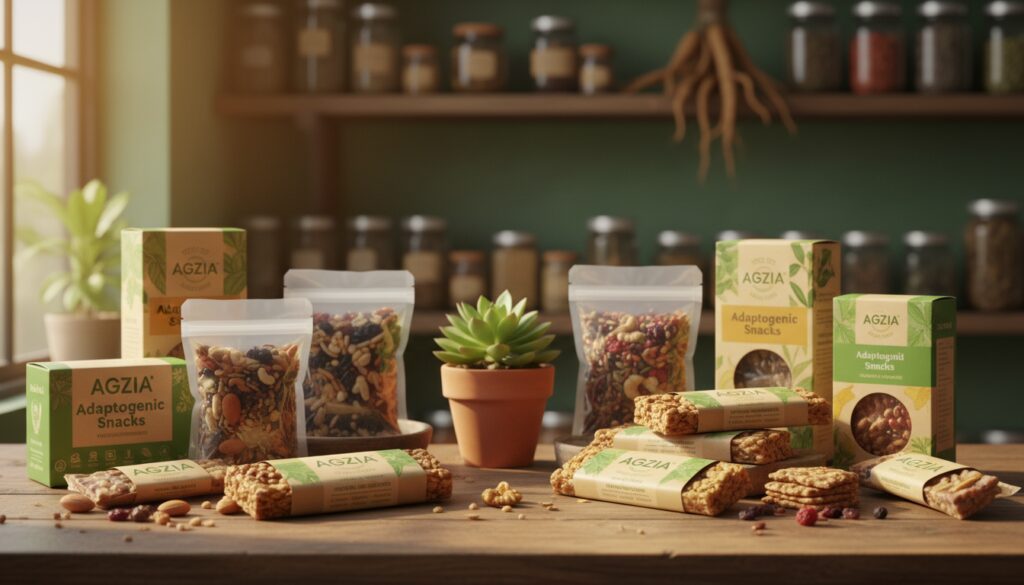
Adaptogens are changing the snacking world. They help balance stress. This makes snacks healthier and more useful.
Adaptogenic Protein Bars and Bites
Protein bars and bites with adaptogens like ashwagandha and rhodiola are popular. They give energy and help with stress.
Functional Chips and Crackers
Adaptogens are also in savory snacks like chips and crackers. Ingredients like holy basil and reishi mushrooms make them tasty and good for you.
Case Study: Successful Adaptogenic Snack Brands
A brand made adaptogenic protein bars with ashwagandha and maca root. They tested and adjusted the recipe to get it just right.
Product Development Journey
The brand worked with nutritionists to make sure the bars were tasty and healthy. They succeeded in making a product that tastes great and works well.
Consumer Response and Market Performance
People loved the bars, and they did well in the market. The brand’s focus on quality and effectiveness helped it shine.
| Brand | Product | Key Adaptogen | Market Performance |
|---|---|---|---|
| Brand A | Adaptogenic Protein Bar | Ashwagandha | Strong Sales Growth |
| Brand B | Functional Chips | Holy Basil | Positive Consumer Feedback |
Beverage Innovation: Adaptogenic Drink Formulations
The adaptogenic beverage market is growing fast. This is because people want drinks that taste good and are good for them.
Beyond Kombucha: New Adaptogenic Drink Categories
Kombucha is popular, but new drinks are coming out. These include:
- Adaptogenic teas and infusions
- Functional coffee blends
- Herbal adaptogenic drinks
- Sports drinks with adaptogenic properties
These new drinks are making the market bigger. They give people more choices.
Ready-to-Drink vs. Powder Formats
Adaptogenic drinks come in two types: ready-to-drink (RTD) and powder. RTD drinks are easy to use. Powder drinks let you adjust how much you take.
Case Study: Breakthrough Adaptogenic Beverage Innovations
A brand made a big splash with an RTD adaptogenic tea. They used special recipes and marketing to stand out.
Formulation Breakthroughs
The brand mixed ashwagandha and rhodiola into a tasty tea. This made the drink both flavorful and beneficial.
Market Positioning and Consumer Adoption
The brand marketed their tea as a wellness drink. It helped with stress and energy. This made it popular and successful.
The success of these new drinks shows the market is growing. People are looking for drinks that do more than just taste good.
Regulatory Considerations for Adaptogenic Food Products
Adaptogenic herbs are getting more popular in food. But, makers face many rules. These rules change based on where you are.
FDA and International Regulatory Status
The FDA looks at adaptogenic herbs as dietary supplements or additives. But, rules differ around the world. Some places see them as medicinal herbs.
UAE and GCC-Specific Regulatory Framework
In the UAE and GCC, there are special rules for food. These rules cover safety and what’s on the label. Companies must follow these to sell their products.
Health Claim Limitations and Opportunities
There are limits on what health claims can be made. But, there are ways to talk about the benefits. This is important for marketing.
Halal Certification for Adaptogenic Products
For Muslim customers, getting halal certification is key. It means the ingredients and how they’re made meet Islamic rules.
In short, understanding the rules for adaptogenic food is key. By knowing and following the rules, companies can sell these new products.
Expert Consultation: Partner with Agzia for Adaptogenic Innovation
Agzia is changing the food industry with adaptogenic innovation. They know a lot about adaptogens. They help food makers add these good ingredients to their products.
Specialized R&D Support for Adaptogenic Formulations
Agzia gives specialized R&D support. They help make new adaptogenic formulas. These meet the need for foods that do more than just taste good.
Market Entry Strategy for the UAE and Beyond
Agzia has a plan for entering the UAE and GCC regions. They make sure products follow local rules and fit the culture.
| Service | Description | Benefit |
|---|---|---|
| Custom Solutions | Tailored adaptogenic formulations | Innovative product development |
| Market Entry Strategy | Regional market analysis | Effective market penetration |
| R&D Support | Expert research and development | Competitive edge in the market |
Connect with Agzia’s Adaptogenic Experts
To find out how Agzia can help with adaptogenic innovation,
Conclusion: Embracing the Adaptogenic Revolution in Food Manufacturing
Adaptogens are changing how we think about health and food. They help with stress and improve brain function. This makes them great for food makers who want to offer new and natural health options.
The world is getting more interested in foods that do more than just taste good. In places like the UAE, people want foods that help them stay healthy. Adding adaptogens to food can make it both tasty and beneficial for health.
It’s important for food makers to keep up with new trends and rules. By using adaptogens, they can meet the growing need for foods that help us feel our best. This way, they can lead the way in creating healthier food options.